T4N / RUGBY UNION v3
BUILT FOR RUGBY.
REFINED BY PLAYERS.
A rugby jersey has to do more than look the part.
Our Rugby Union v3 has been shaped by real players, honest feedback and the determination to make every revision count—from fit and freedom of movement to the shorts players actually want to wear.
Because the best rugby kit isn’t simply designed for the game. It’s developed with the people playing it.
DISCUSS YOUR RUGBY KIT EXPLORE THE DEVELOPMENT ↓RUGBY / MATCH PLAY
01 / THE THINKING BEHIND THE KIT
NOT JUST DESIGNED FOR RUGBY.
DEVELOPED THROUGH IT.
Good rugby kit starts with an understanding of the game.
Better kit comes from putting it on players, listening to their experience and improving the details that matter when they’re tackling, sprinting, reaching for a lineout or competing for possession.
That’s the thinking behind our Rugby Union platform.
We develop the garments ourselves, working through fit, fabric and construction with a clear purpose: creating kit that works for the people wearing it.
FIT THAT MOVES WITH YOU.
An athletic silhouette should never mean unnecessary restriction. We refine our patterns around the movements rugby demands, not simply the measurements on a size chart.
JERSEY AND SHORTS. ONE PURPOSE.
We develop both garments around match play, considering comfort, coverage and how they work together rather than treating them as separate catalogue items.
PLAYERS SHAPE THE NEXT VERSION.
The people wearing the kit tell us what works. Their feedback drives practical changes—and sometimes challenges the decisions we made at the drawing board.
02 / DEVELOPED WITH ARBROATH RFC
A GOOD FOUNDATION.
MADE BETTER ON THE PITCH.
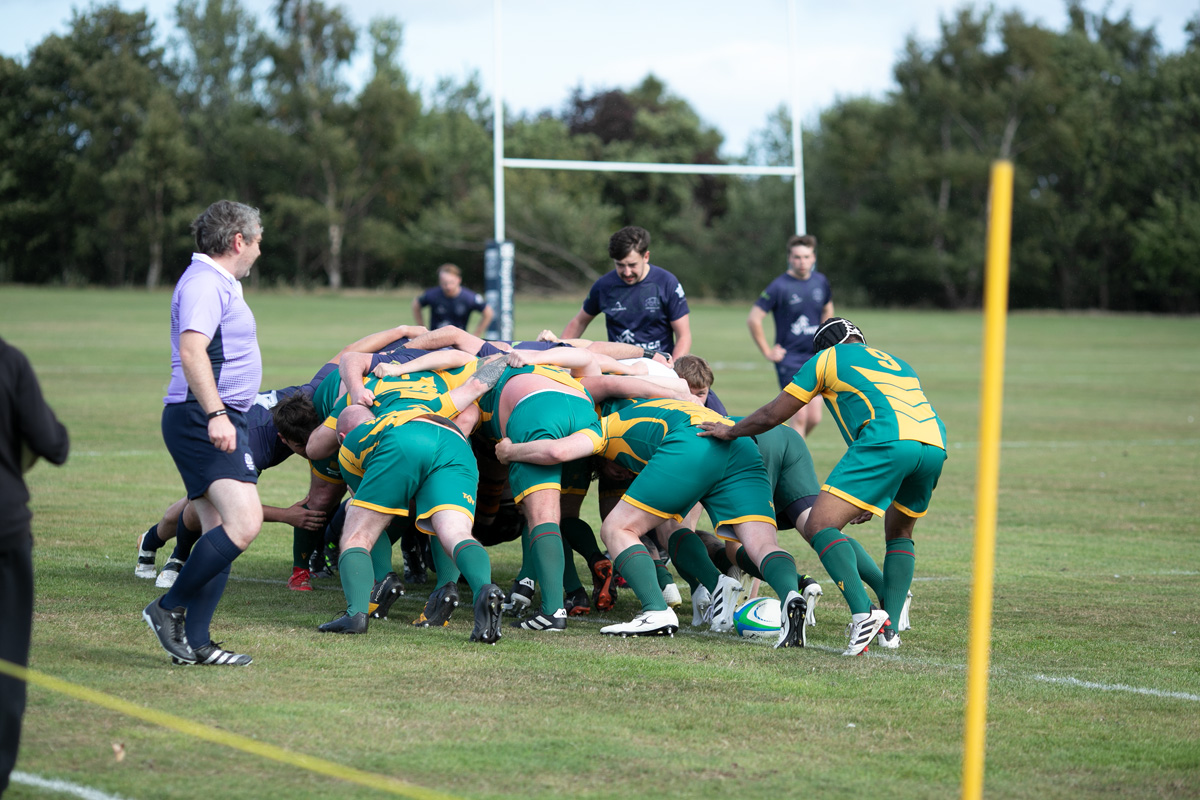
Our Rugby Union development started well before the first full-team match test. But working with Arbroath RFC brought something no drawing, specification or isolated sample could provide: genuine feedback from rugby players using the kit as it was intended.
Our v2 jersey gave us a strong foundation.
We had deliberately developed a more athletic fit, and much of that direction was right. But player feedback highlighted two areas where we could improve: unwanted compression across the chest and restriction around the underarms.
Those weren’t reasons to abandon the jersey.
They were reasons to understand the problem and improve the pattern.
01
v2 GAVE US THE FOUNDATION.
The athletic direction was right, but the jersey needed more freedom across the chest and around the underarms.
We listened to the players, studied where the restrictions were occurring and identified the changes needed.
02
MORE EASE. SAME ATHLETIC FIT.
Rather than simply making the jersey bigger, we introduced positive ease across the front and back of the chest. In practice, that means additional room built into the pattern.
That relieved unwanted compression while retaining the established sizing and athletic-fit character.
We also refined the jersey’s length and coverage, improving its practicality for the demands of rugby.
03
A FULL TEAM. A REAL MATCH.
The revised Rugby Union v3 jersey went beyond a single sample or one player’s opinion.
An entire Arbroath RFC team wore the kit in match play, across different positions, builds and sizes.
The feedback on the revised jersey has been outstanding.
And that’s what matters to us: seeing the development work translate into something the players genuinely enjoy wearing.
03 / THE MATCH KIT
MADE FOR THE MOMENTS
THAT TEST YOUR KIT.
A rugby kit needs to feel right when the game gets physical.
That means paying attention to the details that can easily be overlooked until players are actually wearing the garments.
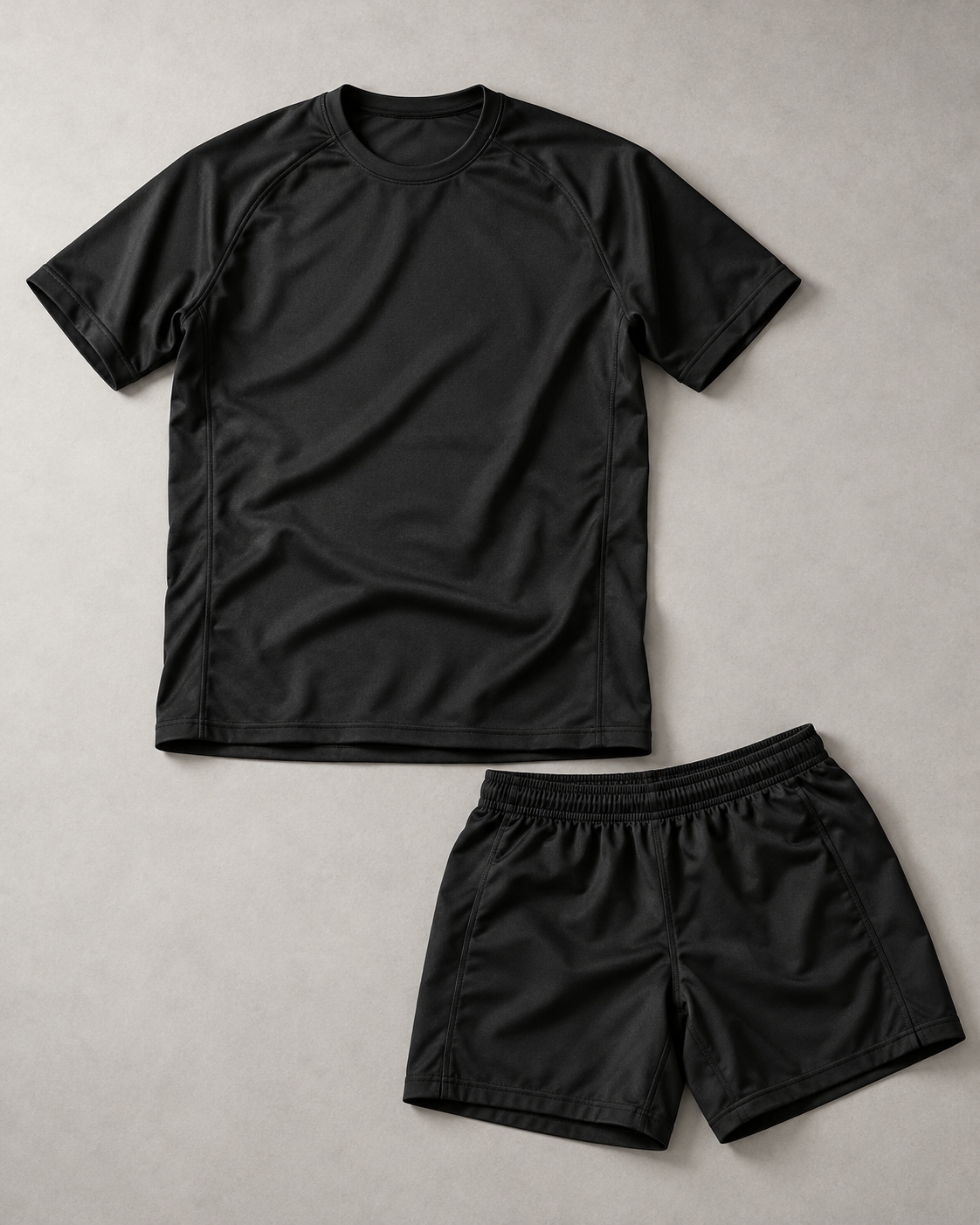
AI-generated editorial illustration — not a product photograph.
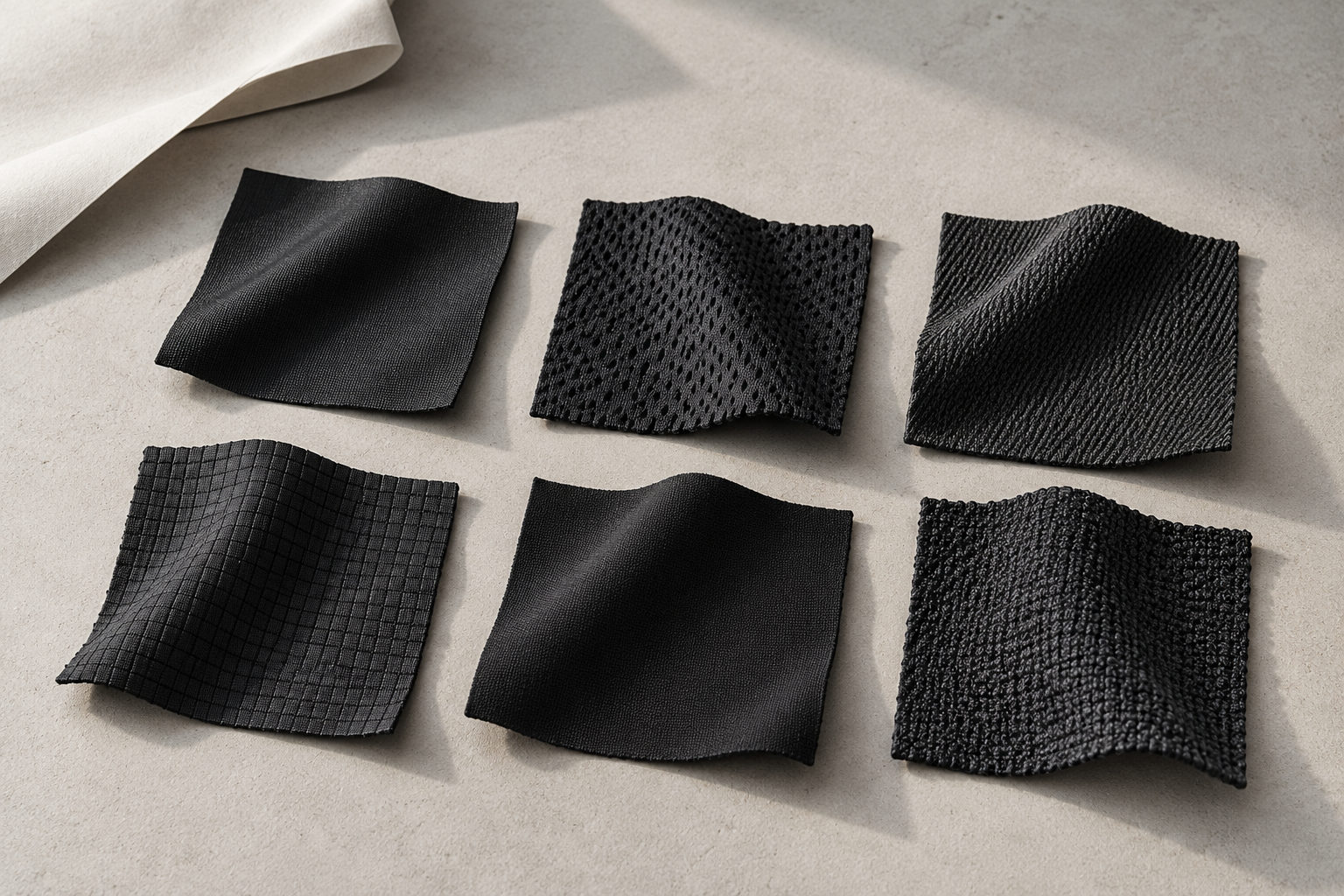
AI-generated fabric study — not the actual trial materials.
THE JERSEY.
Our Rugby Union v3 jersey retains its Modern Athletic Fit character, with refinements designed to reduce unwanted chest compression and underarm restriction.
The additional ease is built into the pattern rather than achieved by simply moving players into larger sizes.
Combined with improvements to length and coverage, the result is a jersey developed around the freedom to reach, turn, tackle and play.
CURRENT JERSEY NECKLINE / LOW-PROFILE CREW NECK
THE SHORTS.
Player feedback has also shaped the direction of our rugby shorts.
One request was particularly straightforward: players wanted a mid-length short.
We responded by shortening the design by 2 cm.
Other feedback requires more investigation. Unwanted stretching during lineouts has led us to sample six different fabric types as part of our ongoing development.
SIX-FABRIC TRIAL / IN PROGRESS
Those trials are still in progress. We won’t claim to have solved a problem before the testing supports it.
REAL FEEDBACK. PRACTICAL CHANGES.
Sometimes the improvement is a small adjustment to length. Sometimes it means revisiting the shape of a pattern or questioning the fabric itself.
The important thing is understanding why a change is needed—and making it for the right reason.
04 / THE DIFFERENCE IS IN THE DEVELOPMENT
WE CHANGE THE KIT.
NOT JUST THE SIZE LABEL.
There’s a difference between making a jersey larger and making it fit better.
Two players can wear the same nominal size and still experience a garment very differently, depending on its shape, the distribution of ease and the way it’s constructed.
With Rugby Union v3, we addressed the compression identified in the previous jersey by refining the pattern across the front and back of the chest.
The established sizing remained the same. The intended athletic fit remained the same. What changed was how the jersey accommodated the player.
That’s the kind of detail we believe makes engineering worthwhile.
LESS RESTRICTION.
Additional ease across the chest addresses the compression players experienced in v2, while preserving the athletic character of the jersey.
BETTER COVERAGE.
Player-led refinements to jersey length and fit make the garment more practical through the movement and physical demands of rugby.
DEVELOPMENT DOESN’T STOP.
The v3 jersey has earned outstanding match-play feedback, but that doesn’t mean every part of the rugby platform has stopped evolving.
Our six-fabric shorts trial is a good example of why we continue to listen, test and refine.
We don’t need to pretend everything was perfect first time. We need to understand what can be better—and do something about it.
05 / ENGINEERED FOR THE INDIVIDUAL
DIFFERENT PLAYERS.
DIFFERENT PROPORTIONS.
PURPOSE-BUILT FIT.
No two athletes are exactly alike. Their age, physical development, body proportions and the demands of their sport all influence how a garment should fit and perform.
That’s why, at Twenty 4 Nine, we don’t simply take one pattern and scale it up or down for everyone.
We’ve developed five distinct engineering pathways, each designed to recognise different stages of physical development and the proportions of the athletes wearing our kit.
This isn’t something we’ve created exclusively for rugby. It’s a fundamental part of our approach across our engineered sportswear platforms.
Because getting the fit right starts long before someone chooses a size.
01
MEN — MODERN ATHLETIC FIT.
Our men’s rugby jersey combines a modern athletic silhouette with the freedom of movement needed for match play.
The development from v2 to v3 is a good example of our approach. By introducing additional ease across the chest, we improved comfort and movement while retaining the established sizing and athletic-fit character.
It’s about improving how the garment fits, not simply making it bigger.
02
WOMEN — ENGINEERED FOR WOMEN.
Women’s sportswear shouldn’t be a smaller version of men’s kit.
Our dedicated women’s pathway allows us to develop patterns around female body proportions, with fit and shaping considered from the outset.
The result is a more purposeful approach to women’s sportswear, rather than trying to adapt a pattern originally developed for someone else.
03
YOUTH FOUNDATION — BUILT FOR YOUNGER ATHLETES.
Children aren’t simply smaller adults.
Their proportions are different, and those proportions change as they grow.
Our Youth Foundation pathway provides a shared engineering starting point for younger boys and girls, with garment shapes developed around their stage of physical growth rather than reduced adult patterns.
04
YOUTH CROSSOVER — THE TRANSITION TOWARDS MEN’S FIT.
As boys grow, their proportions begin to change towards those of adult men.
Our Youth Crossover pathway recognises this transition, providing a considered progression from Youth Foundation towards the men’s platform.
Rather than extending children’s sizing indefinitely, we develop the garment geometry to reflect that changing body shape.
05
GIRLS DEVELOPMENT — A PATHWAY OF ITS OWN.
Girls also experience changes in body proportions as they develop, and those changes deserve their own consideration.
Our Girls Development pathway provides a distinct progression from the shared Youth Foundation towards the women’s platform.
It means girls’ garments aren’t simply smaller women’s sizes or variations of boys’ kit. They’re developed around the proportions of the intended wearer.
THE RIGHT SIZE IS ONLY PART OF THE STORY.
Two garments carrying the same size label can fit very differently.
What matters is the shape of the pattern, how the proportions have been developed and where freedom of movement has been considered.
That’s also why we encourage clubs to measure garments their players already wear, rather than relying solely on body measurements or familiar size labels.
Those measurements give us a practical starting point for understanding the fit players are comfortable with.
Five engineering pathways. One principle: develop the garment around the athlete, not the athlete around the garment.
06 / BUILT AROUND YOUR CLUB
ENGINEERED FOR RUGBY.
PERSONALISED FOR YOUR CLUB.
The engineering is already in the garment.
Our Rugby Union range has been developed around the demands of the game and the diversity of players who take part in it — from grassroots rugby to the professional level.
Different builds, different proportions and different preferences are why we've invested in distinct fit pathways, carefully considered construction and ongoing product development.
When we work with your club, we're not starting from scratch.
We're helping you choose the right garments and fit, understand sizing through existing garment measurements, bring your club's identity into the design and organise a kit programme that works for your players.
The development is ours. The identity is yours.
PLAN YOUR CLUB'S RUGBY KIT07 / LET’S TALK RUGBY
YOUR CLUB.
OUR ENGINEERING.
The work behind Rugby Union v3 reflects what we believe good sportswear development should look like.
A strong starting point. Real players putting the kit to the test. Honest feedback, including the things that aren’t quite right. And a willingness to go back, understand the problem and make something better.
It’s an approach built around the people who actually wear the kit. And it’s the same thinking we’d bring to your club.
LET’S TALK ABOUT
YOUR RUGBY KIT.
Whether you’re planning a new match kit, reviewing your current fit or building a wider club range, we’d love to hear what matters to your players.
DISCUSS YOUR RUGBY KIT Or contact us directly →