
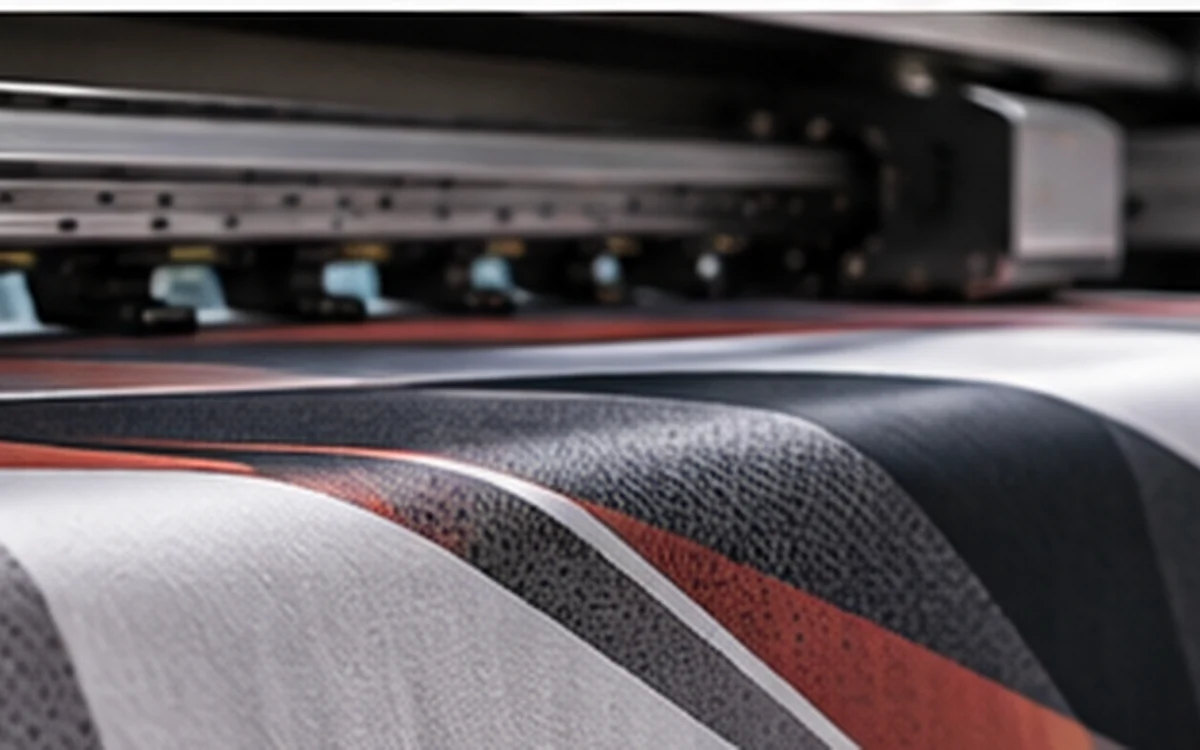
Editorial concept illustration; not an actual T4N product photograph.
Made-to-order teamwear can be a practical way to organise a club programme. You agree the garments, the artwork and the quantity before production starts.
That process can help avoid ordering a large speculative stock range. But it would be misleading to claim that made-to-order manufacturing is automatically environmentally superior in every respect.
Production quantity is one part of a bigger picture
The environmental impact of sportswear can involve fibre production, fabric knitting, dyeing or printing, garment construction, energy use, transport, washing and eventual disposal.
A production model that reduces unsold inventory is not proof that every other part of the lifecycle is lower-impact.
The same care is needed when discussing recycled polyester or dye sublimation. Those choices can have particular characteristics and trade-offs; they do not turn an entire garment into a zero-impact product.
Don't confuse a process with a promise
Sublimation allows detailed colour and artwork to be transferred into suitable polyester fabrics. It is useful for custom kit production. But the printing method alone cannot establish the overall environmental footprint.
Likewise, a garment made specifically for a club may avoid some stock uncertainty while still requiring materials, production energy and transportation.
Claims need to describe the particular feature they can actually support.
What clubs can reasonably ask about
A useful conversation includes how many garments are genuinely needed, whether the fit and product choice are suitable, whether reorders can be coordinated and what happens if the club changes its requirements.
Poor-fitting or unsuitable kit can create unnecessary replacement orders. Thoughtful planning and clear fit guidance are sensible operational priorities even when no quantified environmental benefit has been established.
Why we avoid sweeping green language
Terms such as “eco-friendly”, “sustainable” and “low impact” can imply a broad environmental advantage. We should not use them casually without up-to-date, credible evidence and an appropriate basis for comparison.
The UK Competition and Markets Authority's Green Claims guidance is clear that environmental statements must be accurate, specific and substantiated.
At T4N, our public commitment should remain practical: explain our production approach accurately, investigate product options responsibly and avoid attaching environmental guarantees we haven't demonstrated.
Better questions lead to better choices. Honest claims are part of that process.